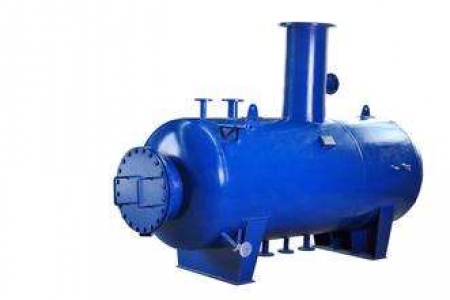
Hydrochloric acid strong acid heater is a device specifically designed for heating hydrochloric acid and other strong acid solutions. Such heaters are widely used in industries such as chemical, pickling, electroplating, and pharmaceuticals. They can not only effectively raise the temperature of hydrochloric acid solution but also ensure operational safety and reliability. This article will discuss the working principle, characteristics, applications, and how to choose a suitable heater for hydrochloric acid strong acid.
Working Principle
Hydrochloric acid strong acid heaters are typically made of corrosion-resistant materials that can resist the erosion of strong acids. There are two main heating methods:
Steam heating: Using steam as a heat source, heat is transferred to the hydrochloric acid solution through a heat exchanger, raising the solution temperature.
Electric heating: Electric heating elements directly convert electrical energy into heat energy to heat the hydrochloric acid solution. The electric heating elements are usually wrapped with corrosion-resistant materials such as Teflon (polytetrafluoroethylene, PTFE), fluoroplastics, etc., to prevent corrosion by hydrochloric acid.
Characteristics
The main characteristics of hydrochloric acid strong acid heaters include:
Corrosion resistance: Made of corrosion-resistant materials such as PTFE, fluoroplastics, etc., capable of long-term stable operation in strong acid environments.
Temperature resistance: Can work at higher temperatures, suitable for different heating requirements.
Safety: Safety factors are fully considered in design, such as anti-leakage, explosion-proof measures, ensuring operator safety.
Flexibility: Can be used for both steam heating and electric heating, with a wide range of applications.
Application Fields
Hydrochloric acid strong acid heaters are widely used in multiple industries, mainly including:
Chemical industry: Used for heating hydrochloric acid and other strong acids to promote chemical reactions.
Pickling industry: Used in metal surface treatment to increase the temperature of hydrochloric acid to enhance cleaning effect.
Electroplating industry: Used to heat hydrochloric acid solution to improve plating quality.
Pharmaceutical industry: In pharmaceutical processes, used to heat hydrochloric acid solution for participation in the preparation of certain drugs.
Anodizing: In surface treatment of aluminum alloys and other materials, heating hydrochloric acid solution helps form a high-quality oxide layer.
Selection and Precautions
Material selection: Choose appropriate materials such as PTFE, fluoroplastics, etc., based on specific usage environment and heating medium.
Heating method: Choose steam heating or electric heating based on site conditions and requirements.
Safety protection: Ensure the heater has necessary safety protection measures such as anti-leakage, explosion-proof, etc.
Maintenance: Perform regular maintenance to ensure normal operation and extend service life.
Conclusion
Hydrochloric acid strong acid heater, as a device specially used for heating hydrochloric acid and other strong acid solutions, plays an important role in industrial production. Proper selection and use of hydrochloric acid strong acid heaters can not only improve production efficiency but also ensure operational safety. With technological advancement, future hydrochloric acid strong acid heaters will be more efficient, environmentally friendly, and durable.
The above outlines the working principle, characteristics, application fields, and selection points of hydrochloric acid strong acid heaters. Different models and application scenarios may have different characteristics, so selection and use should consider specific needs.