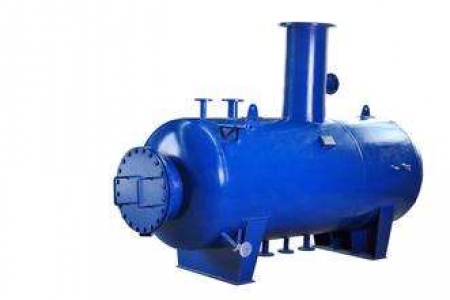
Of course, I can help you write an article about flange electric heaters. Below is an overview article covering the basic principles, structure, characteristics, and usage precautions of flange electric heaters.
Flange Electric Heater: Efficient Heating Solution
Introduction
Flange electric heaters, as efficient and reliable heating equipment, play an important role in many industrial fields. From chemical products to food processing, and to petroleum refining, flange electric heaters have become an indispensable choice due to their unique design and excellent performance.
Working Principle
The core components of a flange electric heater are the electric heating elements, which are usually U-shaped tubular structures, precisely assembled on a cover plate with a flange interface according to the characteristics of the heating medium and the required power. When the power is turned on, the heating elements generate heat through the action of electric current, which is quickly conducted to the surrounding heating medium, such as liquid or gas, thereby achieving effective heating of the medium.
To ensure precise temperature control, flange electric heaters are usually equipped with temperature sensors and control systems that can monitor the medium temperature in real time and automatically adjust the power output of the heating elements to maintain the set temperature range.
Structure and Characteristics
The structure of a flange electric heater is compact, consisting of multiple heating tubes welded to the flange, making it easy to install and maintain. This design not only improves heating efficiency but also enhances the stability and durability of the equipment. The following are some notable features of flange electric heaters:
High-density structure: The heating tubes are highly dense, making the entire device compact and easy to install without additional brackets.
Efficient heating: High surface power, which can reach 2 to 4 times the surface load of air heating.
Safety: The connection between the heating tubes and the flange uses argon arc welding technology, ensuring good sealing and reliability.
Easy maintenance: Individual heating tubes can be easily replaced, reducing future maintenance costs.
Usage Precautions
Although flange electric heaters have many advantages, the following points should be noted during use to ensure safe operation:
Positioning and fixing: The heating tubes should be properly positioned and fixed, and the effective heating area must be completely immersed in liquid or metal solid to avoid dry burning.
Medium melting: When heating easily meltable metals or solid nitrates, alkalis, asphalt, paraffin, etc., first use a lower voltage, and gradually increase to the rated voltage after the medium is completely melted.
Maintenance: Regularly check and clean the scale or carbon deposits on the pipe surface to ensure heating effect and extend equipment life.
Wiring safety: The wiring part should be placed outside the insulation layer and away from corrosive, explosive media and water sources. When tightening the wiring screws, be careful not to over-tighten.
Storage conditions: During non-use periods, the components should be stored in a dry environment. If the insulation resistance is found to be lower than 1MΩ, it can be dried in an oven at about 200°C or heated by reducing the voltage until the insulation resistance is restored.
Conclusion
Flange electric heaters, with their efficient, reliable, and easy-to-maintain characteristics, have occupied a place in various industrial heating applications. Correctly selecting and using flange electric heaters can not only improve production efficiency but also ensure operator safety and environmental protection.
I hope this article can provide you with useful information. If you need further details or want to know about other specific aspects, please feel free to let me know.