Introduction:
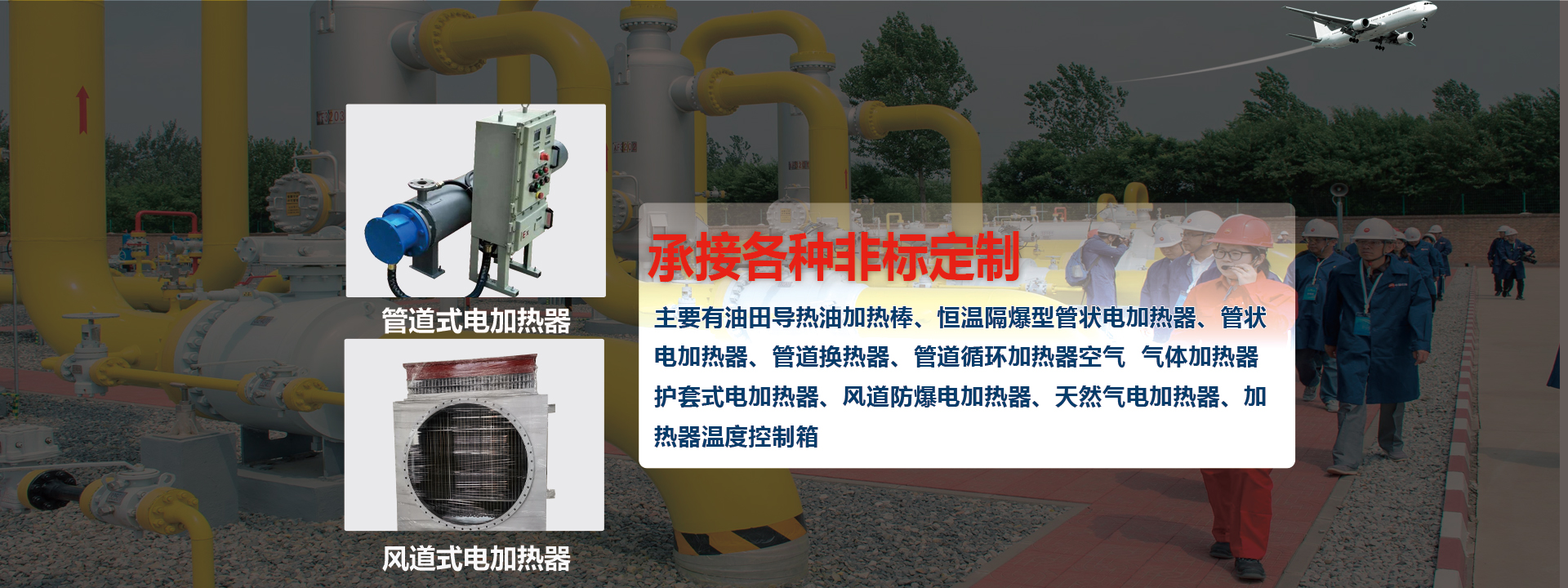
Duct electric heaters are mainly used for heating air in air ducts. They are classified into low-temperature, medium-temperature, and high-temperature types. Structurally, they share the common feature of using steel plates to support the electric heating tubes to reduce vibration. The junction box is equipped with an over-temperature control device. In terms of control, in addition to over-temperature protection, an interlock device is installed between the fan and the heater to ensure that the electric heater starts only after the fan starts. A differential pressure device is added before and after the heater to prevent fan failure. The gas pressure heated by the duct heater generally should not exceed 0.3 Kg/cm². If it needs to exceed this pressure, please choose a circulating electric heater. The maximum heating temperature for low-temperature heaters does not exceed 160°C; for medium-temperature, it does not exceed 260°C; for high-temperature, it does not exceed 500°C. Duct electric heaters are used in industrial air ducts, air conditioning ducts, and various industries to increase the output air temperature by heating the air. They are generally inserted horizontally into the duct opening. According to the working temperature of the duct, they are divided into low, medium, and high temperature; according to the air velocity in the duct, they are divided into low, medium, and high wind speed.
Product Features:
1. The electric heating tube uses externally wound corrugated stainless steel strips, which increases the heat dissipation area and greatly improves the heat exchange efficiency.
2. The heater is designed with reasonable structure, low wind resistance, uniform heating, and no high or low temperature dead spots.
3. Dual protection ensures good safety performance. The heater is equipped with a thermostat and a fuse to control the air temperature in the duct and prevent operation under no-wind conditions, ensuring reliability.
Product Applications:
Heating air for drying/curing, heat treatment, reheating, dehumidification, and other similar applications of various materials.